




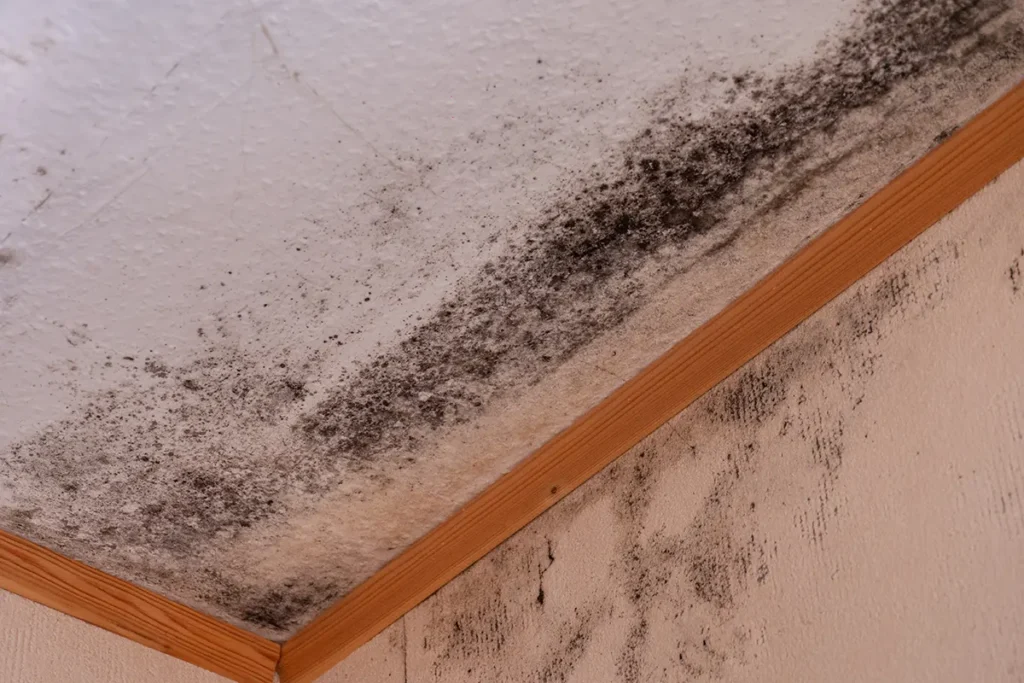
After mold remediation, it’s important to check your belongings. Mold grows in damp places and spreads through spores. These spores can get into things like fabrics, paper, and insulation, making them hard to clean.
The cleanup might make your home safe again. But, you need to look at your personal items separately. You have to weigh how much you value something against the health risks and chance of mold coming back.
Experts often say some items are too contaminated to save. This includes things that are really full of mold. But, things like glass and hard plastics are usually okay to clean and use again.
Key Takeaways
- Assess personal belongings post-mold remediation.
- Mold can permeate porous items like fabrics, paper, and insulation.
- Decisions on keeping or discarding items depend on health risks and recontamination.
- Professionals often recommend discarding heavily infested porous items.
- Non-porous items like glass and hard plastics can usually be cleaned and reused.
Understanding the Impact of Mold on Different Materials
Mold affects materials in different ways based on their porosity. Knowing these differences is key for effective mold removal. It also ensures the safe handling of contaminated items.
Porous Materials
Porous materials like carpets, mattresses, and insulation easily absorb moisture and mold spores. It’s often not possible to fully remove mold from these items. So, they are usually thrown away after mold removal to avoid health risks and more contamination.
Semi-Porous Materials
Wood and leather are semi-porous materials. They might be saved if mold penetration is not too deep and contamination is not severe. To clean them, you need special treatments like sanding and applying antimicrobial solutions. Decide if it’s safe to handle these items before trying to restore them.
Non-Porous Materials
Non-porous materials like metal, glass, and hard plastics are easy to clean after mold. They don’t soak up moisture, so mold is less likely to grow. They can be made safe again with thorough disinfection. This makes them good choices to keep after mold removal.
What should I throw away after mold remediation?
After mold remediation, it’s key to get rid of items that can’t be saved. This step helps keep your space safe and free from mold. Knowing what to keep and what to throw away is important for a successful cleanup.
Heavily Infested Items
Things like carpets, ceiling tiles, and furniture can be deeply infested with mold. These items can keep mold spores around, even if they look clean. It’s best to throw them away to avoid health risks.
Contaminated Clothing
Clothing with mold or a musty smell, even after washing, should be thrown out. Keeping such clothes can bring mold back into your home. So, getting rid of moldy clothes is important for a healthy home.
Paper and Cardboard Products
Paper and cardboard items are hard to save once they get moldy. Things like books, documents, and boxes should be thrown away quickly. This stops mold spores from spreading and keeps your space clean.
Steps to Clean and Salvageable Belongings After Mold Remediation
After mold is removed, it’s important to take care of saved items. Not cleaning them well can cause mold to come back. Using the right cleaning methods keeps your things safe and lasting longer.
Proper Cleaning Techniques
Using mold remediation clean-up tips is key when dealing with moldy items. Start by drying them well to stop mold from growing.
- Drying: Use fans or dehumidifiers to dry items faster.
- HEPA Vacuums: HEPA vacuums trap mold spores well. This stops mold from spreading.
- Antimicrobial Solutions: Clean with antimicrobial solutions to kill mold and stop it from coming back.
- Rinsing and Drying: Rinse and dry items well after treatment. This removes any leftover chemicals and moisture.
Check saved items often after cleaning to make sure mold doesn’t come back. Keeping an eye on them and using steps like controlling humidity and better air flow keeps your space mold-free. These mold remediation clean-up tips protect your belongings and make your home healthier.
Conclusion
Deciding what to keep or discard after mold remediation is key. Knowing how mold affects different materials helps homeowners make smart choices. This ensures health and safety.
Porous items like carpets and furniture often need to be thrown away. This is because mold can hide deep in their fibers. On the other hand, non-porous items like glass and metal are easier to clean and safe to keep.
After mold removal, it’s important to clean items properly. Using disinfectants and drying items well can help get rid of mold. But, it’s also vital to keep an eye out for mold coming back.
Mold remediation is more than just removing mold. It’s a step towards a safe, clean home. Making smart choices about contaminated items and staying vigilant can protect health and property. The aftermath of mold removal needs careful attention to prevent mold and keep a home healthy.
Need expert water removal and mitigation services? We got you covered.
Contact Protech Restoration today in the Chicago area for emergency water damage restoration services!