




Most sump pump failures come down to four things: the pump loses power, the float switch sticks, the discharge line clogs or freezes, or the pump is too small or too worn out for the water it faces. Nearly all of them show up during a heavy storm, which is exactly when the pump is needed most.
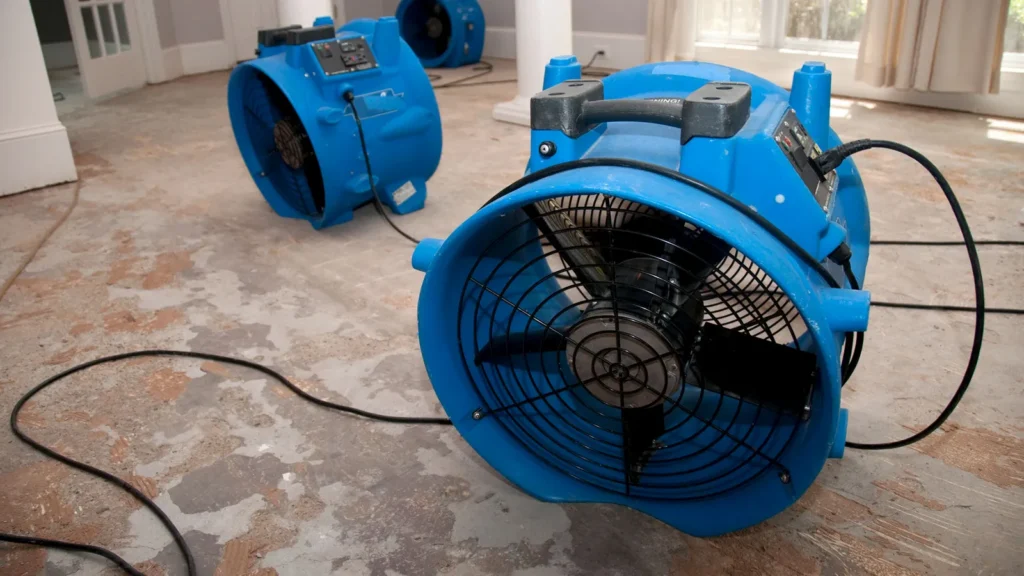
That timing is the part most homeowners miss. A pump can sit quietly for months, look fine at a glance, and still quit on the first night of a spring downpour. If yours already has and there is water on the floor, fixing the pump is only half the job. The other half is flooded basement cleanup before the water soaks into drywall, carpet and framing.
The Short Answer: The Most Common Causes of Sump Pump Failure
- Power loss. Storm outages, a tripped breaker or GFCI outlet, or a damaged cord.
- A stuck float or failed switch. The pump never gets the signal to turn on or never gets the signal to stop.
- A clogged or frozen discharge line. The pump runs, but the water has nowhere to go.
- A failed check valve. Pumped water drains back into the pit, so the pump has to move it again.
- An undersized pump. It runs nonstop during heavy rain until the motor overheats.
- Age. Bearings, impellers and switches wear out, often without much warning.
Power, Pit, Pump, Pipe: The Four Places a Sump System Breaks Down
A sump pump is a system, not a single machine. Sorting the causes by where they happen makes it easier to spot the weak point in your own basement and to follow what a plumber tells you.
Power
The most common storm-night failure has nothing to do with the pump itself. Severe weather knocks out electricity, and a standard pump stops the moment the power does. A tripped breaker or GFCI outlet does the same thing more quietly, sometimes days before anyone notices. The City of Ann Arbour’s public guidance on sump pump failure also advises plugging the pump directly into an outlet rather than running it through an extension cord.
Pit
The float tells the pump when to run. It can hang up on the side of the basin, get pinned by debris, or tangle with its own cord. Ann Arbour’s guidance calls switch failure the most common mechanical failure in a sump system. Sand and silt that wash in with groundwater can also clog the pump’s intake screen, and an uncovered pit collects even more debris.
Pump
A pump that is too small for the water entering the pit runs continuously in wet weather, and that constant running is what burns out motors. Age matters too. InterNACHI’s life expectancy chart lists sump pumps at about 7 years and notes the figure is a guideline based on normal wear, not a guarantee. A pump that works hard every spring can fall short of it.
Pipe
Everything the pump moves has to leave through the discharge line. A cracked, crushed or undersized line makes the motor work harder. A failed check valve lets water flow back into the pit after every cycle, so the pump runs far more often than it should. In winter, a discharge line that holds water outdoors can freeze solid, leaving a working pump with nowhere to send the water.
Why the Storm Is the Stress Test
Here is the pattern behind almost every failed sump pump: the same storm that fills the pit also takes out the power, pushes the pump to its limit, and exposes whichever part was already weak. A float that sticks once a year will stick on the busiest night. A pump that is slightly undersized keeps up on an ordinary day and falls behind in a downpour.
That changes the question worth asking. It is not “does my pump work?” It is, “will my pump work during the worst storm of the year, with the power out?” For most homes, a yes to that question means:
- A battery backup pump, so protection does not depend on the grid.
- Having the pump checked before spring, when the pit starts filling, not after.
- A clear discharge line that drains away from the house before the first hard freeze.
- Replacing an aging pump on a schedule instead of waiting for it to fail.
Why Elk Grove Village Sump Pumps Work Hardest in Spring and Winter
Much of Elk Grove Village was built between the 1950s and 1970s, and many of those basements rely on sump pits and drain tiles that are now decades old. Spring is the heavy season. Snowmelt and rain raise groundwater against older foundations, the same pressure behind most basement water seepage in Cook County, and pumps that sat idle all winter suddenly run for hours at a time. Winter brings the opposite problem: discharge lines that freeze where they leave the house.
Where your pump sends its water also matters. Elk Grove Village runs a Residential Drainage Improvement Programme for rear-yard standing water, but the Village states that problems caused by sump pump discharge lines or downspouts are not eligible. In other words, the water your pump puts in the yard is yours to manage. If discharge pools near the foundation or run back towards the house, raise them with your plumber. Questions about neighbourhood drainage go to Elk Grove Village Public Works at (847) 734-8800.
Warning Signs a Sump Pump Is About to Fail
- It runs constantly, even when it has not rained.
- It switches on and off in rapid, short cycles.
- It stays silent through a heavy rain.
- It hums, but the water level in the pit does not drop.
- It rattles, grinds or vibrates more than it used to.
- It shows visible rust, or it is at or past the 7-year mark on InterNACHI’s chart.
Any one of these is a reason to call a licensed plumber now, while the basement is still dry.
Questions to Ask Before the Pump Is Replaced
A new pump installed into the same weak system will fail the same way. A few questions help make sure the real cause gets fixed:
- Is this pump sized for how much water actually enters my pit during a heavy storm?
- Is there a working check valve, and was it replaced along with the pump?
- Where does the discharge end up, and is that line likely to freeze or drain back towards the house?
- Do you recommend a battery backup, and how long will it run during an outage?
If the answers are vague, get a second opinion. A pump replacement is a small job compared with a flooded finished basement.
What to Do When a Sump Pump Fails and Water Gets In
- Stay out of standing water if outlets, cords or appliances are in it, and do not reach into the pit while you are standing in water.
- Photograph the water, the pump and anything damaged before it is moved. Your insurer will ask.
- Make two calls. A plumber handles the pump. A restoration company handles the water. Neither replaces the other.
- Move fast on drying. The EPA notes that if wet materials are dried within 24 to 48 hours of a leak, in most cases mould will not grow.
Water from a sump pit starts as groundwater, but it does not stay clean for long. The IICRC S500 water damage standard notes that clean water can deteriorate through contact with soil and building materials and that time and temperature can change its category too. That is why carpet pads and drywall that sat wet for a day or two are often removed rather than dried. If the water sat long enough to leave growth behind, our mold remediation team handles that as its own scope of work.
Sump Pump Failure or Sewer Backup? Know Which One You Have
Both put water in the basement, but they are different problems. When a sump pump fails, groundwater rises out of the pit. A sewer backup pushes wastewater up through the floor drain, toilets or tub, and it usually smells like sewage. Sewage is Category 3 water under IICRC S500, which calls for removing porous materials and sanitising everything that remains. If the water came up through a drain rather than out of the pit, treat it as a sewage cleanup, not a pump problem.
Does Homeowners Insurance Cover Sump Pump Failure?
Often not by default. Hanover Insurance states that homeowners insurance does not typically cover water backup damage and that water backup coverage, added to a policy, covers damage from a failed sump pump, a clogged sewer line and backed-up drains. Policies differ, so check yours before spring rather than after. For more detail, see whether homeowners insurance pays for a flooded basement.
If water is already in, documentation drives the claim. ProTech records the damage before anything is removed and works directly with your insurance adjuster, so you are not managing a claim and a cleanup at the same time.
Frequently Asked Questions
How long does a sump pump last?
InterNACHI’s life expectancy chart lists about 7 years for a sump pump, as a guideline rather than a guarantee. Pumps that run often, handle sandy water or sit in an uncovered pit tend to wear out sooner.
Can a sump pump fail without a power outage?
Yes. A stuck float, a failed switch, a clogged intake, a frozen discharge line or a burned-out motor can all stop a pump while the power is on.
Why does my sump pump run when it is not raining?
It may have a stuck switch, a failed check valve sending water back into the pit, or high groundwater keeping the pit full. Have a plumber look at it before the motor burns out.
What happens if the sump pump discharge line freezes?
The pump keeps running, but the water has nowhere to go, so the pit can overflow and the motor can overheat. A clear line that drains away from the house is worth confirming before the first hard freeze.
Who cleans up a flooded basement near Elk Grove Village?
ProTech is based in Elk Grove Village, answers 24/7, and commits to a 60- to 90-minute arrival. The same crews handle water damage restoration in Elk Grove Village and the surrounding suburbs.
Keep a Failed Pump From Becoming a Ruined Basement
If your pump is failing but the basement is still dry, call a licensed plumber. That is the honest answer, and it will cost you far less than a cleanup. If water has already come in, ProTech’s IICRC-certified technicians extract it, dry the structure and document everything for your insurance adjuster. We have served Chicagoland homeowners for more than 20 years, and your dedicated project manager stays with you from the first call through the final walkthrough.
Contact our team online. There is no minimum charge, and we answer 24/7. Call us first, not last.