




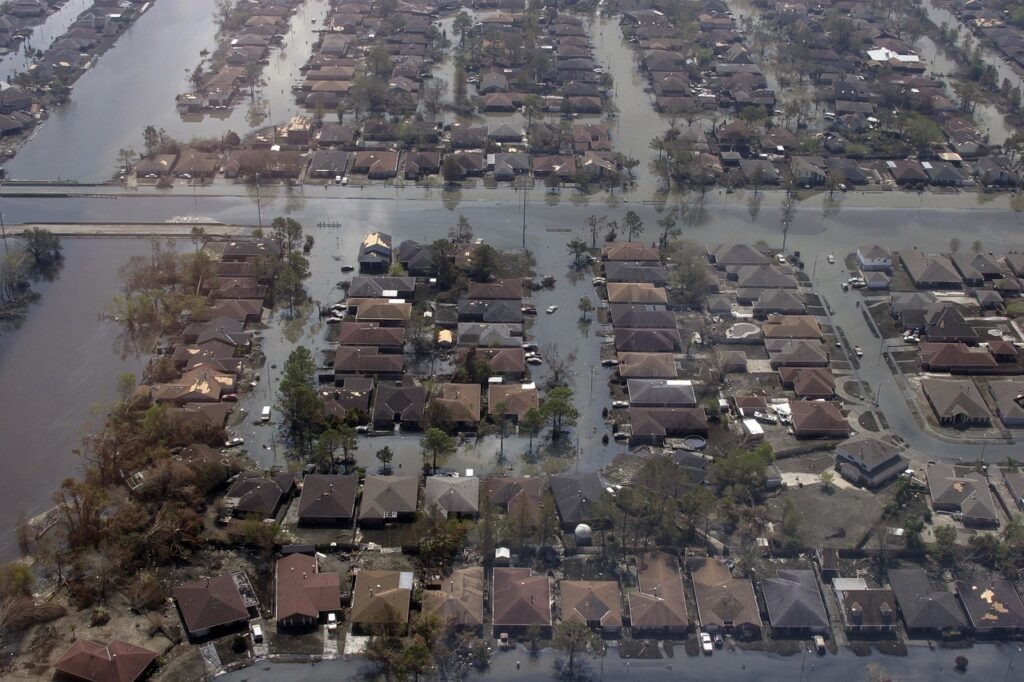
Floods cause over $8 billion in damages in the U.S. each year. A huge 90% of natural disasters in the country involve flooding. The aftermath can be as traumatic as the flood itself. It’s important to know how to restore a house after a flood to ensure safety and health.
Homeowners face a big challenge in cleaning up after a flood. It’s essential to act fast to prevent mold and structural damage. Starting flood recovery steps quickly can save a lot of work and prevent health issues.
Soaked materials can harbor harmful organisms like mold and bacteria. Acting quickly to dry out the home and its contents is critical. This helps prevent disease and allergic reactions. It’s important to dry everything within 48 hours to avoid mold growth.
Key Takeaways
- Understanding the severity and financial costs of flood-related damages is key for preparedness.
- Immediate action is vital for reducing the lasting impacts and costs associated with flood recovery.
- Prompt, proper house flood cleanup is key to maintaining health and safety post-flooding.
- Employing effective water damage restoration strategies can mitigate long-term structural issues and prevent mold growth.
- Restoration efforts must also focus on assessing and repairing any structural and electrical damage.
- Professional services can be invaluable in ensuring that the restoration process is thorough and complies with safety standards.
- By following systematic flood recovery steps, homeowners can efficiently navigate the restoration of their house after a flood.
Immediate Steps for Water Damage Control
After a flood, acting fast is key to reduce water damage. Here’s a quick guide to start your flood damage repair. First, check if the area is safe to enter. Look for any structural damage and make sure all electrical systems are off to avoid dangers.
Assessing Safety Before Cleanup
When starting the cleanup, wear protective gear like rubber gloves and boots. Make sure the main power is off before entering any damaged homes. This step is vital to avoid electrical shock and ensure safe repair.
Differentiating Between Clean Water and Sewage Contaminated Waters
Know the source of the flood water to choose the right safety measures and cleaning methods. Clean water from rain or leaks is usually safe, and cleanup can be less strict. But, water from sewage, or black water, is dangerous. It needs extra care, like possibly evacuating the area and following local disposal rules.
Initial Cleanup: Removing Water and Mud
The first cleanup step is to remove standing water with pumps or buckets. Then, clear out mud and debris. After that, clean hard surfaces with hot water and unscented soap. Wet/dry vacuums can help remove water and mud from carpets and floors. This is a key step in restoring your home.
Strategies for Efficient Flood Restoration
Getting your home back after a flood needs a smart plan. This plan includes steps like cleaning up water damage and preventing mold. It’s also important to use the right tools and supplies.
Equipment and Supplies for Effective Cleanup
- Water pumps and wet vacuums for removing standing water.
- Heavy-duty gloves, N95 masks, and goggles to protect against contaminants.
- Buckets, mops, and disinfectants for cleaning surfaces.
Strategies for Drying Out Your House
Act fast to dry your home and stop mold. Use industrial fans and dehumidifiers to dry it faster. This is key in humid or rainy areas.
Preventing Mold Growth and Ensuring Air Quality
Mold can grow quickly after a flood. Dry your home fast to stop it. Keep the air clean with good ventilation and air purifiers. Change air filters often to keep the air clean.
Working with a flood restoration company can help a lot. They know how to fix water damage and prevent mold. They make sure your home is fixed quickly and safely.
Tackling Structural and Electrical Damage
Fixing damage from flooding needs careful planning and action. This is true for your home’s structure and electrical systems. Flood damage restoration services focus on these key areas first.
Assessing and Repairing Structural Damage
First, check if your building is stable. Floods can harm foundations and walls that hold up the house. Experts say it’s important to look closely at any damage before starting repairs.
They also check for gas leaks, which are very dangerous. Any damage found should be well-documented. This helps with the repair and making insurance claims.
Hiring Professional Services for Electrical Safety
Fixing electrical safety after a flood is a big job that needs experts. Licensed electricians check electrical issues like outlets and wiring. They make sure everything is safe.
They turn off power and check it carefully. Making power safe again is important for everyone’s safety.
Removing and Replacing Damaged Drywall and Insulation
After fixing structure and electricity, it’s time to replace damaged drywall and insulation. Water can make these materials fall apart and cause mold. Experts say to throw away old materials and put in new ones.
They also suggest testing the air quality after replacing these materials. This helps make sure the air is clean and healthy.
Conclusion
After a flood hits, homeowners in Chicago, IL, or anywhere else face a huge challenge. They must start the house restoration quickly and wisely. This is key to a successful recovery.
First, they need to know how to stay safe while cleaning up. They must also understand the different types of floodwaters. Using the right tools and methods is essential to dry out the house, prevent mold, and keep the air clean.
When fixing the house, it’s important to handle structural and electrical issues carefully. Homeowners might need help from experts to check for damage and make sure electrical systems are safe. These professionals help fix and replace damaged parts and prevent future problems.
Restoring a home is not just about fixing it. It’s about making it strong again. Whether you do it yourself for small damages or get help from a flood restoration company in Chicago like our team at ProTech Restoration for bigger issues, it’s important. Quick action and careful work help keep the home safe and its occupants healthy.
As the water goes away, the hard work of fixing the home begins. This effort helps make the home safe and comfortable again. It brings peace of mind back to the family.