




Nearly 40% of urban rivers in the United States show contamination levels that limit fish and public use. This shows that cleanup doesn’t always mean recovery. That’s why professionals make a clear difference between remediation and restoration.
Remediation stops pollution and removes hazards to keep people and wildlife safe. Agencies like NOAA’s Office of Response and Restoration guide cleanups at places like the Duwamish River (WA) and the St. Lawrence River (NY). They aim to reduce contamination without harming the remaining habitat.
Restoration comes after contamination is controlled. It rebuilds and returns habitat or property to a functional state. This includes replanting wetlands, repairing stream channels, or fixing a home after flood damage. In property cases, remediation might mean emergency drying and mold removal. Restoration means full repairs to get a house back to its pre-loss condition.
This article will explain the difference between remediation and restoration. It will use clear definitions, examples from environmental and property settings, and guidance for Chicago, IL residents. Readers will understand which step a project needs and when both are required.
Key Takeaways
- Remediation stops or reduces pollution and immediate hazards; restoration rebuilds what was lost.
- Remediation and restoration explained apply to both ecosystems and buildings.
- Regulatory guidance and expert oversight speed recovery and limit further harm.
- Many projects need remediation first, then restoration to reach full recovery.
- Local examples and contractors in Chicago can handle both phases for faster, cost-effective outcomes.
What’s the difference between remediation and restoration
Knowing the difference between remediation and restoration is key. These terms are often used together in cleanup plans and insurance claims. They help us choose the right contractor and meet important requirements.
Direct definitions and core distinction
Remediation means stopping or reducing pollution and hazards right away. NOAA’s Office of Response and Restoration says it’s about removing or containing contaminants. For example, dredging to limit exposure.
In buildings, remediation stops further damage after water, chemical, or mold intrusion. It’s about making sure things don’t get worse.
Restoration is about making things whole again. It can mean building wetlands or fixing damaged floors and walls. It’s the step after cleanup, aiming for a healthy or original state.
Why the distinction matters
Understanding the difference helps plan the work correctly. Remediation is the initial step to stop immediate harm. Restoration comes later, aiming for full recovery.
Getting this wrong can lead to wasted time and money. It can also cause legal or health issues. Agencies like EPA and NOAA work with contractors to ensure both steps are done right.
Insurance adjusters, permitting authorities, and community groups all have their roles. Clear communication about remediation and restoration helps avoid delays and disputes. It ensures a quicker return to normal.
Defining remediation: goals, methods, and examples
This section explains what remediation aims to achieve. It covers the approaches teams use and a brief environmental case. Readers will see how defining remediation and restoration sets the stage for choosing the right actions after pollution or property damage.
Goals of remediation
Remediation seeks to stop or reduce pollution. It aims to protect human health, fish, and wildlife. It also tries to minimize remaining contamination and prevent further spread.
OR&R scientists and agency partners advise on steps. They ensure harm to plants and animals is avoided. This promotes faster recovery of wildlife and fish in affected areas.
Common remediation methods
Environmental cleanups use a mix of remediation methods. These are chosen based on site conditions and contaminant type. Physical removal of contaminated sediments by dredging is common.
Removed material often moves by barge to safe disposal areas. Containment and monitored natural recovery are options when full removal is impractical. EPA and state agencies lead planning.
NOAA provides technical guidance and monitoring. This tracks results over time.
In property settings, the focus shifts to rapid action. Water extraction, dehumidification, mold removal, and hazard containment are key. Quick mitigation after leaks, roof failures, blocked gutters, storms, or plumbing breaks is essential.
Environmental remediation case study
The Duwamish River in Washington illustrates a typical remediation sequence. Federal and state agencies coordinated dredging, transport, and disposal. NOAA provided technical input to protect fish habitat and nearby communities.
Similar efforts at American Cyanamid, New Jersey, and projects along the St. Lawrence River, New York, show interagency planning. Phased cleanup and long-term monitoring come together. These examples highlight the practical side of remediation vs restoration.
Defining restoration: goals, methods, and examples
Restoration comes after cleanup and aims to make damaged sites healthy again. It involves rebuilding habitats, fixing structures, and creating safe spaces for both people and wildlife. This shows how cleanup and rebuilding are part of the same recovery journey.
Goals of restoration
The main goals of restoration are to improve or create habitats. This helps ecosystems return to health for fish, wildlife, and people after contamination is dealt with. Restoration also ensures safe places for everyone involved.
Often, restoration goals work hand in hand with remediation. Together, they complete the recovery process.
Common restoration methods
Restoration methods vary from building to long-term ecological care. Techniques include making wetlands, planting trees, and adding native plants. These actions help stabilize soil and support wildlife.
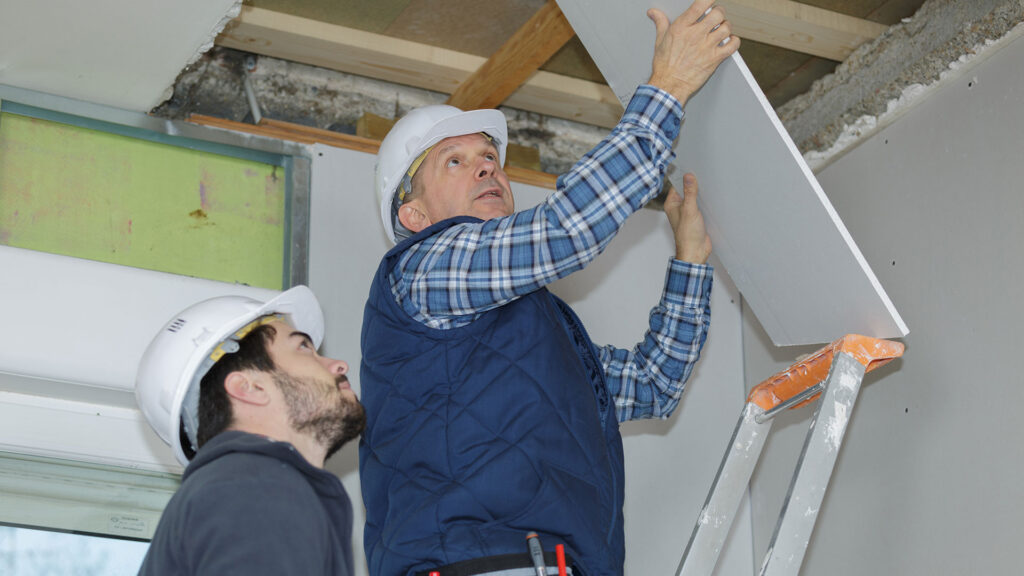
In buildings, restoration involves fixing structures, replacing floors, and finishing walls and ceilings. It also includes cleaning systems like electrical and plumbing. Saving belongings is also part of restoring properties.
- Wetland construction and shoreline grading
- Native plant revegetation and tree planting
- Habitat structures for fish and bird use
- Structural and system repairs in buildings
- Long-term ecosystem monitoring and management
Environmental restoration case study
After removing contaminated sediments from a river, partners worked to restore habitats. Federal and state agencies teamed up with nonprofits and responsible parties to fund and carry out the projects.
They created native marshes, planted along rivers, and built in-stream habitats. This mix of cleanup and habitat work brought lasting benefits to ecosystems and communities.
Remediation vs restoration in environmental cleanup (rivers, coasts, sediments)
Cleaning up waterways is a mix of science, policy, and hands-on work. Groups like the U.S. Environmental Protection Agency, state environmental departments, and NOAA’s Office of Response and Restoration work together. They aim to lessen dangers and rebuild habitats.
How agencies coordinate both phases
From the start, agencies define their roles. The EPA usually leads in figuring out contaminants and planning cleanups. NOAA OR&R helps protect wildlife and monitor for quicker recovery. State teams manage permits and talk to local communities.
Working together means sharing data, matching up plans, and funding restoration efforts. This approach helps project managers and communities understand the difference between remediation and restoration.
Dredging and disposal as remediation
Often, polluted sediments in rivers, coasts, and harbors need to be removed. Dredging uses buckets or cutter heads to lift the polluted material. Then, barges carry it to safe disposal sites.
Handling it right keeps pollutants from spreading. Monitoring during dredging ensures safety. It also helps figure out the best order for remediation and restoration.
Habitat re-creation as restoration
After pollutants are dealt with, restoration focuses on rebuilding habitats. This might include making marshes, creating places for fish to spawn, and planting native plants along shores.
These steps help bring back important services like filtering water and protecting against floods. When done with remediation, restoration speeds up nature’s recovery. It also helps local fishing and recreation industries.
- Key coordination steps: joint planning, shared monitoring, and staged funding.
- Remediation actions: sediment removal, containment, and disposal to stop exposure.
- Restoration actions: wetland construction, planting, and re-creating physical habitat features.
Remediation and restoration in property damage (water, fire, storm)
When homes or businesses face water, fire, or storm damage, two important steps help. The first step is to stop the damage and remove hazards. The second is to rebuild and make the space safe again.
Quick action and clear steps are key. They help reduce losses and speed up recovery.
Remediation in property contexts
Remediation starts with emergency response and making the site stable. Teams fix leaks, cover broken roofs, and support weak structures to avoid collapse.
Then, they remove the source of damage and contain it. They extract water, dry the area, and remove debris. This is done quickly, usually in 24–48 hours, to stop mold and more damage.
Next, they clean up soot and chemicals, isolate electrical systems, and safely get rid of contaminated items. Companies like ServiceMaster by Singer work fast to prevent further damage and keep costs down.
Restoration in property contexts
Restoration makes the damaged space usable again. It includes fixing structures, roofs, and walls. They also replace flooring, insulation, and do electrical and plumbing work.
They clean and fix HVAC systems, paint, and finish the space. They also clean and save items that can be used again.
This phase can take weeks or months, depending on the damage and permits. Working together from the start helps plan better and get better results.
Illustrative scenarios
- Water damage: Remediation — quick water removal and drying to stop mold. Restoration — fixing drywall and flooring.
- Fire damage: Remediation — securing the building and removing smoke and soot. Restoration — rebuilding and removing odors.
- Storm damage: Remediation — emergency tarping and clearing debris. Restoration — fixing roofs, windows, and landscaping.
Remediation and restoration are two different but important steps. Quick remediation saves money, while careful restoration makes the space safe and valuable again.
When to choose remediation or restoration for a project
Deciding between remediation and restoration starts with understanding risks, goals, and limits. It’s important to quickly figure out what needs immediate action and what can wait. This helps make a choice that fits with health, legal, and budget needs.
Decision factors
First, check if there’s an immediate danger to people or pets. If there’s a risk to health, like mold spreading fast, remediation is key. This is true for any situation where health is at risk.
Then, look at what the law says. The U.S. Environmental Protection Agency and state agencies often require certain steps before moving forward. In Chicago, it’s wise to check Illinois EPA rules early.
Next, assess how big the problem is. Big pollution or deep damage usually needs a detailed cleanup. But, if the damage is small and contained, you might be able to start restoration sooner.
Think about how fast you need to act and insurance. Insurance might ask for specific cleanup records. Also, if there’s a deadline to reopen a property, this could influence your choice.
Lastly, consider long-term goals. If you want to fully restore the land or building, restoration is key once health risks are managed. Weigh the costs against what you want to achieve to decide the best path.
Coordinated approach benefits
Doing both phases together can save time and reduce disturbance. Agencies like NOAA Office of Response and Restoration suggest aligning cleanup with habitat goals. This avoids undoing previous work.
For property owners, hiring a company that does both cleanup and rebuild is beneficial. Companies like ServiceMaster by Singer offer complete services. This reduces handoffs, shortens timelines, and keeps quality high from start to finish.
Planning together also helps with budgets. A single plan can order remediation steps to support restoration later. This makes the decision-making process more strategic.
Local coordination is also important. In Chicago, teams should work with contractors skilled in cleanup, mold removal, rebuilding, and landscaping. This mix of skills helps tailor the approach to each site while meeting Illinois EPA standards.
Remediation and restoration comparison: timelines, costs, and outcomes
When pollution or property damage happens, managers face a choice. They must decide between quick cleanup or thorough repair. This comparison shows how fast, how much, and what results to expect.
- Typical timelines
Emergency cleanup can start in hours for spills and 24–48 hours for water damage to stop mold. But, big environmental fixes like dredging can take months or years due to permits and size.
After cleanup, fixing the property usually takes weeks to months. Big projects to restore habitats can take months to years to work right.
- Cost considerations
Remediation costs depend on how fast, the method, and what to do with waste. Early costs come from stopping spills, moving hazardous waste, and dredging. Permits and rules add to the bill.
Restoration costs include materials, planting, skilled workers, and checking progress. If cleanup is slow, more damage can happen, raising costs.
Insurance often splits costs between cleanup and fixing up. Owners should check their policies to know what’s covered and when.
- Expected outcomes and success metrics
Remediation success is shown by meeting clean standards, stopping hazards, and keeping things contained. Groups like NOAA and EPA use clear goals to check if it’s done right.
Restoration success is about how well it works and is used. For habitats, it’s about plants, animals, and water quality. For buildings, it’s about being strong, meeting codes, and when people can move back in.
In cities like Chicago, IL, projects must consider local rules, planting seasons, and waste disposal. These factors affect how long and how much it costs for both cleanup and repair.
Regulatory and stakeholder roles in remediation and restoration
Clear roles are key to making cleanup or rebuilding plans happen. Federal and state agencies set the rules. Communities decide what’s most important. Insurers handle the first steps, and technical teams do the actual work.
Projects succeed when everyone works together from the start. They need to agree on timing, money, and what they want to achieve.
Government and agency roles
Groups like the U.S. Environmental Protection Agency and NOAA’s Office of Response and Restoration lead the way. They give technical advice and watch over the work. They decide what’s safe and okay to do.
State environmental departments manage local rules and make sure things are done right. They check on progress and might make polluters pay for cleanup.
Community and nonprofit participation
Local groups and nonprofits help with planning, raising money, and taking care of sites long-term. They make sure projects bring benefits to the community, like safer places to play and better fishing.
Community watch and volunteer programs keep the work going after the experts leave. Getting people involved early helps avoid problems and makes sure everyone agrees on what to do.
Insurance and liability considerations
Insurers often pay for quick fixes under emergency response clauses. This helps stop more damage. But, fixing things for good is a different story.
Who pays for cleanup depends on laws enforced by EPA and state agencies. They might make polluters pay or use public money and then ask them to pay back.
When everyone works together, from the start, things go better. Clear roles and shared plans help property owners in Chicago and elsewhere. They work with contractors and insurers to document every step of the cleanup and rebuilding process.
Practical checklist for property owners and environmental managers
Acting fast after damage or pollution helps reduce harm and speeds up recovery. This checklist offers clear steps for property owners, facility managers, and environmental teams. It guides them through immediate actions, planning, and getting help in Chicago.
Immediate actions
- Make sure people are safe and the area is secure; call emergency services if there’s a risk.
- Take photos and notes of the scene for insurers and regulators.
- For property damage, start cleaning up within 24–48 hours: remove water, dry the area, contain the source, and remove hazards.
- For pollution, tell the Illinois EPA or the EPA regional office and limit access to contaminated areas.
- Hire certified contractors for hazards needing special equipment or containment.
Planning the restoration
- Make sure contamination is under control before making a restoration plan.
- Set clear goals like restoring habitats or getting back to the original state, and define success.
- Plan a realistic timeline and budget that includes monitoring and adapting to changes in ecology.
- Choose trained contractors, ecologists, or builders based on the project.
- Keep detailed records of all work for insurance claims and to follow regulations.
Local support in Chicago, IL
- Contact Illinois EPA for reporting and guidance on contamination and cleanup.
- Use City of Chicago resources like the Department of Buildings for permits and the Department of Streets and Sanitation for stormwater issues.
- Work with local or national firms like ServiceMaster for emergency response and rebuilding.
- Partner with nonprofits for habitat restoration along the Chicago River and lakefront for volunteer support and long-term care.
Following this checklist helps reduce costs and liability. Quick action, clear documentation, and knowing Chicago’s resources make response more effective and resilient.
Common misconceptions about remediation and restoration
Many people confuse remediation and restoration, thinking one fixes everything. This section aims to clear up these misconceptions. It helps project owners and managers plan better.
They are not interchangeable
Remediation is about removing hazards and stopping harm. Restoration is about rebuilding to a certain standard. Treating them as the same can lead to bad plans and wasted money.
Remediation alone is not always sufficient
Cleaning soil or drying a flooded area reduces risk. But it doesn’t make things usable or restore ecosystem services. Saying remediation alone is not enough helps everyone see the need for more work.
Restoration may require prior remediation
Restoration often needs contamination removal first. Bodies like the EPA usually require cleanup before allowing rebuilds. When we explain remediation and restoration, teams avoid starting on unsafe ground.
Examples show why this matters. Dredging without replanting marshes doesn’t work. Drying and mold removal without full restoration can leave homes unhealthy. Clearing up these misconceptions helps meet expectations and secure funding for success.
Conclusion
Remediation stops or reduces immediate risks. Restoration rebuilds habitats or structures to better conditions. These two steps are key in any recovery effort.
Start with remediation when health or contamination threats are present. Then, plan for restoration once the hazards are managed. This approach saves money, speeds up recovery, and improves outcomes.
It’s important to work with regulators, insurers, and experienced contractors. This ensures everything is done right and in a timely manner. In Chicago, IL, check with the Illinois EPA and local offices for help with permits and partnerships.
Knowing the difference between remediation and restoration helps everyone. It ensures quick action to protect health, speed up recovery, and restore value for the long term.